The EDC is committed to fostering economic growth and sustainable development. We work to attract new businesses, support existing ones, and improve residents' quality of life through strategic initiatives and innovation.
This is what we do.
Deep River’s Economic Development Commission (EDC) plays a driving role in creating an attractive and thriving business environment and is tasked with reinvigorating an Economic Development Strategic Plan. We are an advisory body and make recommendations to our key partners: the Board of Selectmen and the Planning & Zoning Commission. Goals include establishing a vision for economic development that encourages financial growth while preserving the town's cherished qualities, creating a welcoming business environment by supporting existing businesses, reviewing regulations, and leveraging town and state facilities to drive economic growth.
The town aims to strategically promote new development, focusing on public/private partnerships and repurposing existing buildings in Village and Industrial Zones. Deep River is looking to attract specific types of industry and has seen the organic emergence of an Arts District in the Turnpike Industrial Zone.
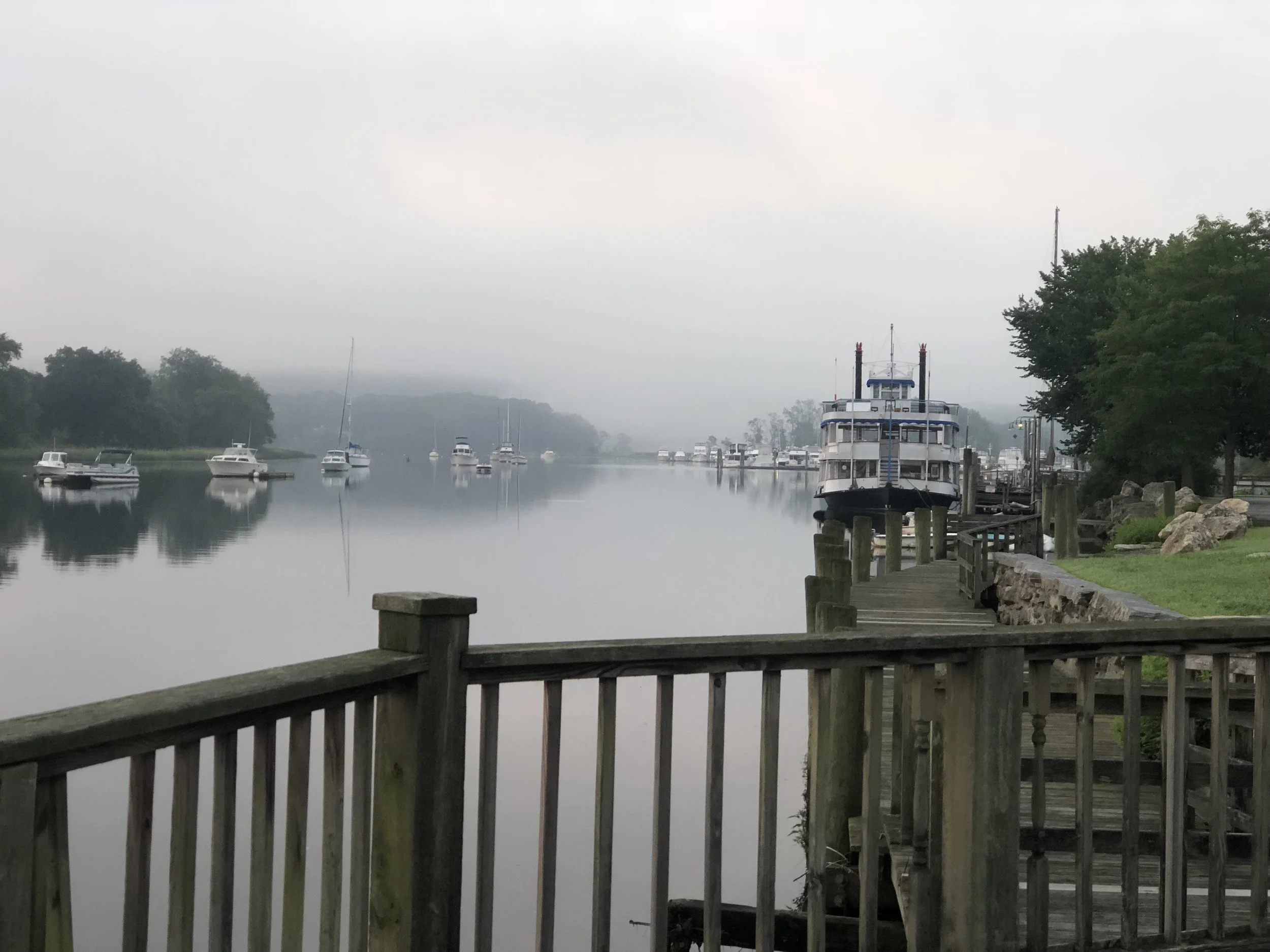
Deep River, home to approx. 4,500 residents, is a healthy, multi-generational community with strong ties to its past and a clear vision for its future, forming the economic, educational, housing, cultural, recreational, and civic hub of the Lower River Valley. Deep River is located at the center of a multi-town region that includes Essex and Chester, and it offers diverse landscapes, from the historic trade at the Landing on the Connecticut River and the commercial core of the Village to the rural fields of Winthrop. The town, incorporated as Saybrook in 1859 and renamed Deep River in 1947, gets its name from a Connecticut River tributary that once powered its mills and factories. It has a unique historic nickname, the "Queen of the Valley," reflecting its past success, particularly in the ivory trade from the 1840s to the 1940s.
Quality of Life & Natural Resources
Deep River is committed to protecting and enhancing its natural resources. The town has a wealth of existing undeveloped land, including conservation open space and green space for passive recreation. The Deep River Land Trust manages several conservation parcels, and large areas in the north and northwest are part of the Cockaponsett State Forest. The Natural Diversity Database identifies species at risk within town, such as the Eastern box turtle, Peregrine falcon, and Northern long-eared bat. The town actively plans for storm response and manages natural hazard areas.
In housing, the town is encouraging the use of recently adopted regulations to expand opportunities, including promoting Accessory Dwelling Units (ADUs) and conservation developments. Deep River’s Affordable Housing Plan, adopted in 2022, identifies strategies to increase affordable housing units.
Infrastructure efforts include an increasing commitment to bicycle, pedestrian, and other non-motorized transportation, with plans to expand bike, sidewalk, and trail networks. The town is prioritizing long-range investments in road, bridge, and transit infrastructure. Deep River is also identifying increased public parking opportunities and strategic investments for expanding public sewer service. Innovative storm and waste management solutions are being implemented, including a waste reduction pilot program and participation in regional waste management efforts.
The town prides itself on its cultural events, notably the annual Ancient Muster, which is the oldest and largest gathering of fife and drum corps participants in the world, bringing economic benefit to local businesses and fostering community pride.
Deep River, home to approx. 4,500 residents, is a healthy, multi-generational community with strong ties to its past and a clear vision for its future, forming the economic, educational, housing, cultural, recreational, and civic hub of the Lower River Valley. Deep River is located at the center of a multi-town region that includes Essex and Chester, and it offers diverse landscapes, from the historic trade at the Landing on the Connecticut River and the commercial core of the Village to the rural fields of Winthrop. The town, incorporated as Saybrook in 1859 and renamed Deep River in 1947, gets its name from a Connecticut River tributary that once powered its mills and factories. It has a unique historic nickname, the "Queen of the Valley," reflecting its past success, particularly in the ivory trade from the 1840s to the 1940s.
Deep River’s Plan of Conservation and Development (PoCD) is an advisory document that serves as a blueprint for the municipality's future, outlining goals and guiding future actions for the next ten years and beyond. This plan was assembled by Tyche Planning and Policy Group and an Ad-hoc Committee, which included members from the Planning and Zoning Commission, Board of Selectmen, Conservation and Inland Wetlands Commission, and the Economic Development Commission, among others.
The 2025 PoCD aims to establish new and more robust goals and implementation strategies for the next decade. The PoCD is guided by an interest in protecting and enhancing the community’s cultural, historic, recreational, and natural resources, and in promoting activities that will create a more vibrant, diverse, welcoming, sustainable, and livable community.
The PoCD guides planning across six focus areas: Municipal Facilities and Services, Housing, Transportation and Infrastructure, Economic Development, Natural Resources and Conservation, and Climate Change and Resiliency. Deep River has made a commitment to sustainability, achieving Silver-level certification through Sustainable CT in 2024. The town aims to improve administrative and planning systems, enhance town-resident communications, and actively coordinate with neighboring towns and regional councils. Education is provided through the Region 4 District, where Deep River shares a high school and middle school with Chester and Essex.
How can we help you?
Deep River's Economic Development Commission leads efforts to implement these goals, working closely with various town departments, commissions, and regional partners.